Facility Management: Improving Productivity and Quality
Choosing the right facility management expert means optimizing services, staying up to date with market trends, innovating, and enhancing the employee experience.
published on 17/08/2026

Find out how hospitality, reception, and concierge services boost QVCT or QVT, productivity, and employee retention.
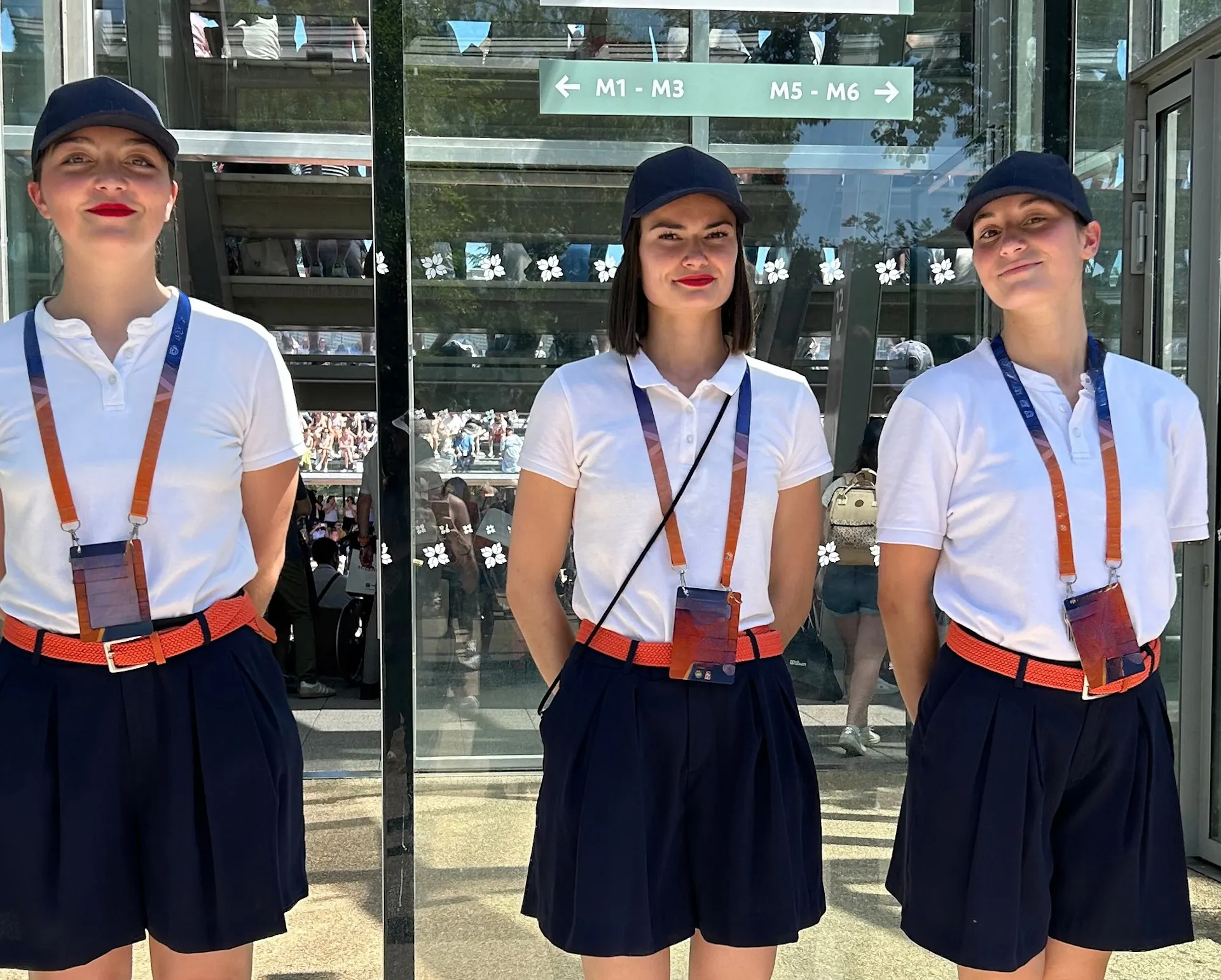
The work environment is no longer limited to square meters or the quality of equipment. It is also reflected in how employees are welcomed, guided, and supported each day. Hospitality in the workplace has thus become a core component of the on-site experience—even if the associated roles, work, and presence are discreet.
Everyday services are no longer just about comfort: they are a lever for engagement, attractiveness, and retention. Smooth reception, a helpful concierge, and well-coordinated internal logistics all directly enhance quality of life and working conditions (QVCT). These services allow employees to focus on their core tasks, while projecting a more consistent and more human image of the organization.
Performance can be hindered by an accumulation of small annoyances: difficulty welcoming a visitor, lost or delayed mail, an unavailable meeting room, unanswered technical requests, or personal tasks to deal with during the workday. Taken individually, these problems may seem minor. But when repeated, they cause interruptions, wasted time, and extra mental load.
A workplace concierge service simplifies certain day-to-day tasks. Reception teams guide visitors and support employees. Internal logistics services ensure the smooth flow of documents, equipment, and requests across the site.
These occupant services make the workplace clearer and more seamless. However, their effectiveness depends on being part of an overall organization. The goal is not to multiply the services, but to offer the right services at the right time, with clear responsibilities defined.
According to a study by APEC, for 40% of managers who want to stay with their company, the quality of working conditions is a retention factor—almost as important as the interest of their work itself.
A seamless experience sends a clear message: the company truly cares about the conditions in which teams work. This attention fuels a sense of being valued and enhances the employee experience.
Hospitality does not replace either quality management or a coherent HR policy. However, it does help create a more welcoming, convenient and stable environment. This consistency is key for retention, especially when employees compare their experience with other employers.
Retention is built on the quality of everyday experience. Useful and accessible services show that the company considers the concrete constraints faced by its teams. The workplace concierge service strengthens QVCT and employee loyalty.
Offices have become a showcase of company culture. The quality of the reception, service level, and ability to respond quickly to needs affect how employees, candidates, visitors, and clients perceive the company.
The Paris Workplace 2025 barometer, conducted by SFL and Ifop among workers in the Paris region, shows that 84% of employees seen as “super-engaged” believe their offices foster teamwork.
Investing in workplace well-being makes the employer promise more tangible. Hospitality is felt from the moment of arrival and is reinforced in every daily interaction.
For DET and site management, structured oversight makes it easier to coordinate service providers and reduces the number of contacts required. It also improves request tracking, service level compliance, and incident resolution.
The first best practice is to assign service oversight to a clearly identified person. A Hospitality Manager fully dedicated to the site, coordinating reception, concierge, occupant support and other site services.
Procedures then need to be standardized. This doesn't mean providing an impersonal experience, but ensuring a consistent quality level—no matter the schedule, building or provider involved.
Finally, results must be measured. Satisfaction rates, response times, request volume, incident recurrence and use of services allow continuous improvement. These indicators turn hospitality into a managed function, with specific operational objectives.
ARMONIA designs, operates, and manages hospitality solutions tailored to workplace environments. Physical and phone reception, concierge, occupant services, captain floor, help desk, barista, organizing and managing events, business center, wellness space, fitness room... All of these are coordinated as part of a global hospitality approach.
This organization enables companies to simplify management, improve service continuity, and offer a smoother experience to employees and visitors. Hospitality thus becomes an investment for performance, attractiveness, and smooth daily operations of sites.