Facility Management: Improving Productivity and Quality
Choosing the right facility management expert means optimizing services, staying up to date with market trends, innovating, and enhancing the employee experience.
published on 17/08/2026

Enhance the visitor experience with hospitality and cultural mediation tailored to your audiences, their journey, and the specific features of each site.
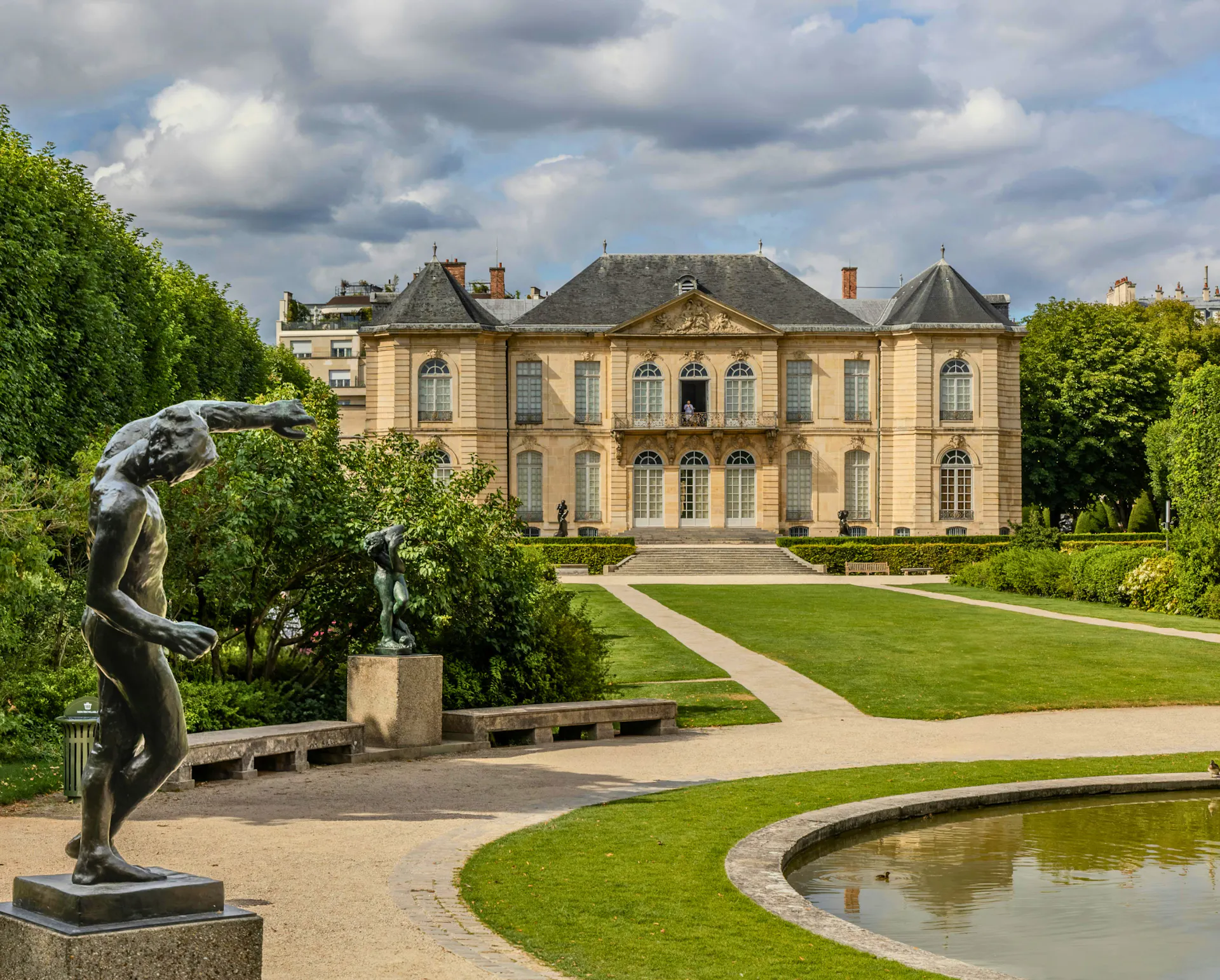
Entering a museum, a monument, or an exhibition space is already the start of the visit. Even before discovering a work or content, the visitor looks for their way, understands the rules of the place, sometimes asks a question, or seeks assistance.
Hospitality in cultural environments therefore plays a key role from the very first minutes. Cultural mediation then takes over to provide keys to understanding, create dialogue, and allow everyone to fully enjoy their experience.
Together, these two dimensions help build a smoother, more accessible visitor experience tailored to the expectations of very diverse audiences.
Good hospitality in cultural venues is not just about pointing the way. Teams can provide information about spaces, explain how the site operates, manage visitor flow, answer questions, or support someone facing difficulties.
These actions prevent numerous frustrations: uncertainty about the route, misunderstanding of an entrance, unnecessary waiting, or difficulty finding the right person to ask.
For the visitor, the benefit is immediate: their journey becomes more intuitive. They can devote more attention to what they came to discover.
The quality of the interaction is just as important. Being listened to, receiving a clear answer, or spontaneously getting help all contribute to the feeling of being expected and valued. Welcoming visitors thus becomes an integral part of the venue’s image.
Understanding enriches the experience, but not all visitors approach cultural content with the same background knowledge.
Cultural mediation for visitors is specifically about creating bridges between the public, the works, the history, or the spaces. It’s not just about conveying information: it adds context, rephrases, invites observation, and fosters conversation.
An explanation can thus be deepened for an informed enthusiast, simplified for a child, or tailored for someone entirely new to the subject.
This flexibility makes content more accessible without oversimplifying it. It also allows each visitor to build their own understanding of the place, rather than receiving a one-size-fits-all narrative.
There’s no such thing as a typical visitor.
A family with young children, a school group, a foreign tourist, a regular visitor, or someone with special needs will not necessarily follow the same visitor journey.
The goal isn’t to offer exactly the same experience to everyone, but to guarantee the same level of attention with tailored responses.
This requires knowing how to observe a situation, quickly understand a request, and adjust your approach. Depending on the context, you may need to reassure, provide rapid directions, take more time, or offer an alternative way of exploring the site.
The quality of the system depends directly on the people who bring it to life.
Teams naturally need to be familiar with the site, its spaces, and its content. But their interpersonal skills are just as essential: listening, teaching ability, availability, discernment, and adaptability.
Training helps develop these skills, but also conveys the venue’s codes, standards, and the way it wants to welcome its visitors.
It also prepares teams for special situations: high attendance, misunderstandings, unusual requests, or the need for additional support.
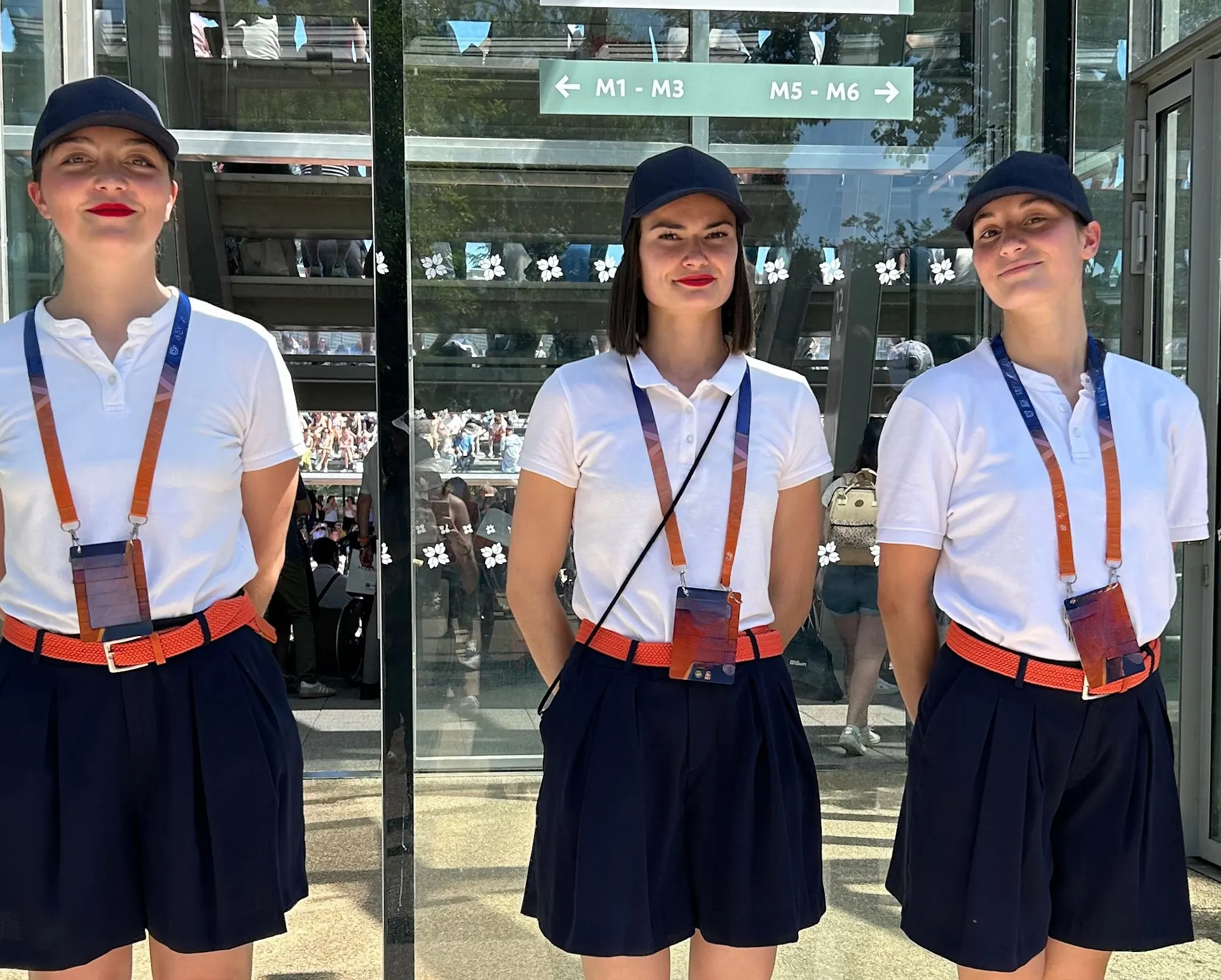
At ARMONIA, hospitality roles in cultural settings cover, among others, queue management, orientation, ticketing, shop operations, access control, cloakroom management, tour assistance tools, group reception, events, cultural mediation, and educational workshops.
However, the aim isn’t to apply a standard model. Each approach needs to take the place’s identity, audience, and uses into account.
Recruiting, training, and supporting teams is how hospitality principles are turned into real practices. The result: a smooth journey, better understanding of content, and more attentive relationships with every visitor.